

Gravel Calculator, How Much Gravel Do You Need
Calculate how much gravel you need for one rectangular area.
Your result
You can explore more tools like this in our construction calculator collection for better project planning.
A gravel calculator helps you quickly estimate how much gravel you need for a project. You enter length, width, and depth, and it shows the required volume and weight. This works for driveways, landscaping, garden paths, and base layers.
Instead of guessing material, you get a clear estimate based on area and depth. That helps you avoid overbuying or running short during installation.
Calculate Gravel Needed For Your Area
This tool is built for one simple purpose. It calculates gravel needed for a rectangular area with speed and accuracy.
You can use it for:
- Driveways and parking areas
- Garden paths and walkways
- Landscaping beds and decorative zones
- Base layers under pavers or slabs
The result shows:
- Total area
- Gravel volume in cubic yards or cubic meters
- Estimated weight in tons or tonnes
You only need a few inputs to get started:
- Length
- Width
- Depth
Once entered, the result updates instantly and stays easy to read.
How To Use The Gravel Calculator
Measure Your Area
Start by measuring the space you want to cover.
- Measure the full length of the area
- Measure the full width of the area
- Use consistent units for both values
Accurate measurements give better results and reduce material waste.
Enter The Gravel Depth
Depth controls how much gravel you will need.
- Enter depth in inches or centimeters
- Choose depth based on your project type
- Small depth changes increase volume quickly
Always double check depth before calculating.
Adjust Gravel Density If Needed
The tool uses a default gravel density.
- Standard density works for most gravel types
- Change density if using heavier stone or lighter material
- Crushed stone is usually denser than decorative gravel
This step improves weight accuracy.
View Results Instantly
After entering values, results appear immediately.
You will see:
- Total area
- Gravel volume
- Estimated weight
You can update inputs anytime to compare different scenarios.
What You Will Get In Results
Total Area
This shows the full surface you plan to cover.
- Calculated using length and width
- Displayed in square feet or square meters
- Helps you understand total coverage size
A larger area increases gravel volume quickly.
Gravel Volume
This tells you how much gravel you need.
- Shown in cubic yards or cubic meters
- Based on area and depth
- Useful when ordering bulk gravel
Most suppliers use volume for delivery planning.
Estimated Weight
This converts volume into weight.
- Shown in tons, tonnes, or kilograms
- Uses gravel density for conversion
- Helps when ordering by weight
Different gravel types can change the final weight.
How Much Gravel Do I Need
Gravel Needed For Driveway
Driveways require strong and stable gravel layers.
- Use deeper gravel for vehicle load
- Often built using base and top layers
- Crushed stone works best for stability
Depth plays a major role in driveway strength.
Gravel Needed For Landscaping
Landscaping focuses on appearance and coverage.
- Use moderate depth for even finish
- Decorative gravel works well here
- Avoid uneven spreading for better results
Good coverage improves overall look.
Gravel Needed For Garden Paths
Paths need balance between comfort and durability.
- Use medium depth for walking areas
- Prevent stones from shifting under pressure
- Smooth gravel improves walking comfort
Proper depth keeps the path stable.
Gravel Needed For Base And Fill
Base and fill areas need more material.
- Used under slabs, pavers, and structures
- Requires thicker layers for support
- Helps level uneven ground
These projects usually need more volume than surface areas.
Gravel Depth By Project Type
Driveway Gravel Depth
Driveways need strong support for regular vehicle movement.
- Use deeper layers for durability
- Combine base and top layers when possible
- Prevent sinking and uneven surfaces
A shallow layer will not hold under pressure.
Walkway Gravel Depth
Walkways need comfort and stability together.
- Medium depth works best for daily use
- Avoid very thin layers to prevent exposure
- Keep surface level for safe walking
Balanced depth improves long term usability.
Landscape Gravel Depth
Decorative areas focus more on appearance.
- Use shallow depth for visual coverage
- Ensure soil is fully hidden underneath
- Spread evenly for clean results
Too much depth can waste material here.
Base Layer Gravel Depth
Base layers support heavy structures.
- Use thicker gravel layers for strength
- Required under pavers and slabs
- Helps distribute weight evenly
Strong base prevents cracks and shifting later.
Gravel Types And Their Use Cases
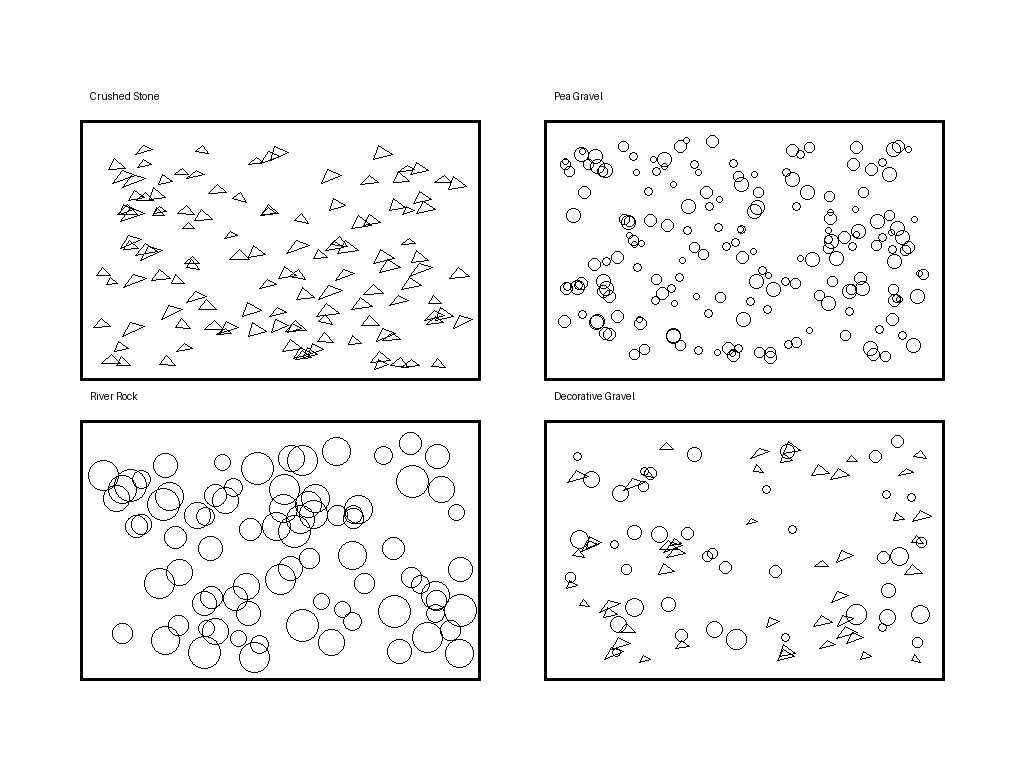
Different gravel types are used for different projects. Choosing the right material helps improve coverage, stability, and overall results.
Crushed Stone
Crushed stone is widely used for structural projects.
- Angular shape locks together tightly
- Best for driveways and base layers
- Provides strong and stable surface
It compacts better than most gravel types.
Pea Gravel
Pea gravel is smooth and rounded.
- Ideal for garden paths and landscaping
- Comfortable to walk on
- Less stable under heavy load
Best used in low traffic areas.
River Rock
River rock is larger and more decorative.
- Used in landscaping and drainage areas
- Provides natural visual appeal
- Covers area differently due to size
Not ideal for compact surfaces.
Decorative Gravel
Decorative gravel is used for visual projects.
- Common in garden beds and design areas
- Focus on appearance over strength
- Available in different colors and sizes
Used where looks matter most.
General Aggregate Gravel
Aggregate is a broad material category.
- Used in construction and base layers
- Includes mixed sizes of stone and gravel
- Common term used by suppliers
Useful for large scale projects.
Gravel Vs Rock Vs Stone
People often use gravel, rock, and stone as the same thing. They are similar, but they differ in size, use, and application.
What Is Gravel
Gravel is small loose material used for surface coverage.
- Common in driveways, paths, and landscaping
- Easy to spread and level
- Available in different sizes and textures
It is the most common material for general use.
What Is Rock
Rock usually refers to larger pieces of material.
- Used in drainage and heavy landscaping
- Covers less area compared to smaller gravel
- Often chosen for decorative or structural use
Rock size changes how it spreads and looks.
What Is Stone
Stone is a general term used for many materials.
- Can include gravel, rock, or crushed material
- Used in both decorative and construction projects
- Often depends on supplier naming
Understanding the term helps when ordering material.
Gravel Measurement
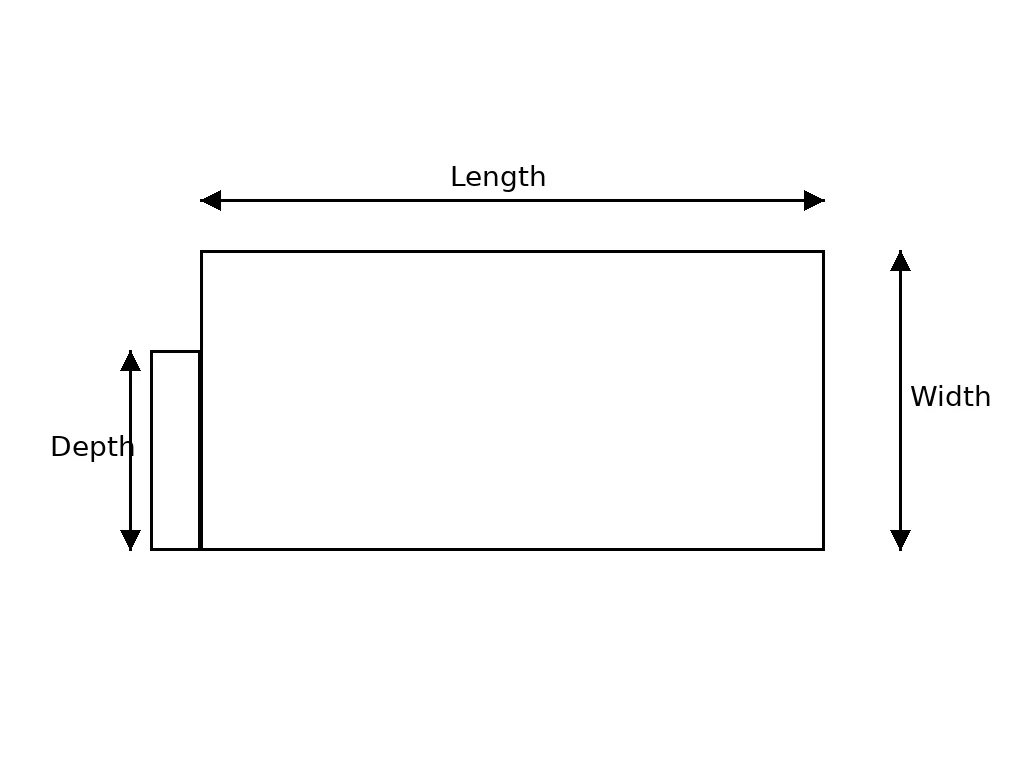
Gravel calculation depends on three main values. These include area, volume, and weight. Each step helps you understand how much material you actually need.
Area Measurement
Area is the first step in any calculation.
- Multiply length by width
- Gives total surface size
- Measured in square feet or square meters
Accurate area leads to better estimates.
Volume Measurement
Volume shows how much gravel you need.
- Multiply area by depth
- Gives total cubic measurement
- Used for ordering bulk material
This is the most important value in planning.
Weight Measurement
Weight helps with transport and cost.
- Multiply volume by density
- Converts into tons or kilograms
- Useful for supplier quotes
Different materials can change the weight result.
Gravel Calculator Formula
Gravel calculation is based on simple formulas. These formulas help you estimate area, volume, and weight quickly.
Area Formula
- Length multiplied by width gives total area
Volume Formula
- Area multiplied by depth gives gravel volume
Weight Formula
- Volume multiplied by density gives total weight
These formulas are simple but very effective for planning.
Convert Gravel Into Cubic Yards
Cubic yards are a common unit for ordering gravel.
- Convert all measurements into feet first
- Multiply length, width, and depth to get cubic feet
- Divide the result by 27 to get cubic yards
This helps when buying gravel in bulk from suppliers.
Convert Gravel Into Tons
Tons are used for delivery and pricing.
- Start with total volume
- Multiply by gravel density
- Convert pounds into tons if needed
This gives a clearer idea of transport weight.
Gravel Coverage
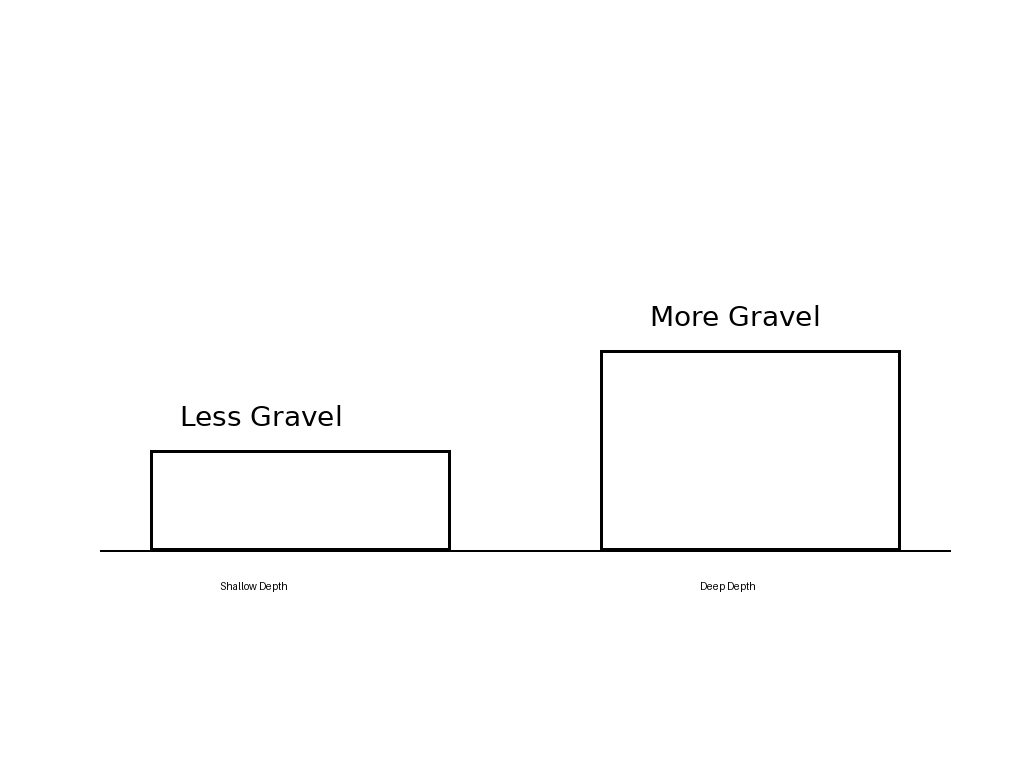
Gravel coverage depends on depth, material type, and stone size. The same area can need different amounts of gravel based on these factors.
Coverage By Depth
Depth has the biggest impact on coverage.
- Deeper layers need more gravel
- Shallow layers cover more area with less material
- Always choose depth based on project use
Even small depth changes increase volume quickly.
Coverage By Gravel Size
Gravel size affects how it spreads.
- Smaller gravel covers more area
- Larger stones leave more gaps
- Rounded stones behave differently than crushed material
Choose size based on use and appearance.
Coverage By Material Type
Different materials change coverage results.
- Crushed stone compacts tighter
- Pea gravel stays loose and shifts more
- River rock covers less due to larger size
Material choice affects both look and performance.
Gravel Cost And Buying
Gravel cost depends on material type, quantity, and delivery location. Understanding pricing helps you plan your budget before ordering.
What Affects Gravel Cost
Several factors influence total cost.
- Type and size of gravel
- Delivery distance and location
- Quantity and supplier pricing method
Prices can vary depending on region.
Bulk Gravel Orders
Bulk gravel works for larger projects.
- Suitable for driveways and base layers
- Delivered in cubic yards or tons
- More cost effective for big areas
Helps reduce cost per unit.
Bagged Gravel
Bagged gravel is useful for small jobs.
- Easy to handle and transport
- Ideal for garden beds and short paths
- More expensive per unit compared to bulk
Best for limited areas.
Supplier Pricing Methods
Suppliers use different pricing systems.
- Some sell by cubic yard
- Others sell by ton or tonne
- Always confirm before ordering
This avoids confusion during purchase.
Gravel Density
Gravel density helps convert volume into weight correctly. Different materials have different densities, so results can change based on the type used.
Standard Gravel Density
- Works for most general gravel calculations
- Good default for quick estimates
- Used when exact material type is unknown
Crushed Stone Density
- Heavier due to angular structure
- Compacts tightly under pressure
- Gives higher weight compared to loose gravel
Pea Gravel Density
- Slightly lighter than crushed stone
- Rounded shape creates more air gaps
- Affects total weight calculation
River Rock Density
- Larger size changes coverage and weight
- Often used for decorative purposes
- Needs careful estimation for accuracy
Common Mistakes When Calculating Gravel
Small mistakes can lead to wrong estimates and extra cost. Avoid these issues before placing an order.
Incorrect Measurements
- Small errors increase total material needed
- Always measure length and width properly
Ignoring Depth Changes
- Depth directly affects volume
- Even small increases raise gravel quantity
Not Adding Extra Material
- Always add extra for waste or uneven ground
- Helps avoid running out during installation
Using Wrong Density
- Incorrect density gives wrong weight results
- Always match density with gravel type
Why Gravel Estimates May Change
Even correct calculations can vary during real projects. Ground conditions and material behavior affect final results.
Compaction
- Gravel settles after spreading
- Reduces surface height over time
Moisture Content
- Wet gravel increases delivery weight
- Can affect handling and cost
Ground Conditions
- Uneven ground needs more material
- Soft soil may require deeper layers
Stone Size Variation
- Larger stones reduce coverage
- Smaller gravel spreads more evenly
Real Project Examples
Simple examples help understand how gravel is used in real situations.
Gravel For A Small Garden Area
- Used for decorative beds and small spaces
- Requires shallow depth and even spread
Gravel For A Driveway
- Needs deeper layers for load support
- Requires more volume compared to small areas
Gravel For Landscaping Projects
- Focus on clean coverage and visual finish
- Depth depends on design preference
Gravel For Base Layer Projects
- Used under slabs and structures
- Requires strong and thick support
Final Notes
Always measure your area, depth, and material type carefully. The gravel calculator gives a close estimate to guide your purchase. Add extra material to avoid shortages and ensure smooth project completion.